
About · Began fall 2026


Nur Lab is a faculty-led research project that began in fall 2026 at Loyola University Chicago School of Law. Its work focuses on shared public resources: parks and public lands, libraries, and education.
Part 1 · The name

Who Nur Lab honors.
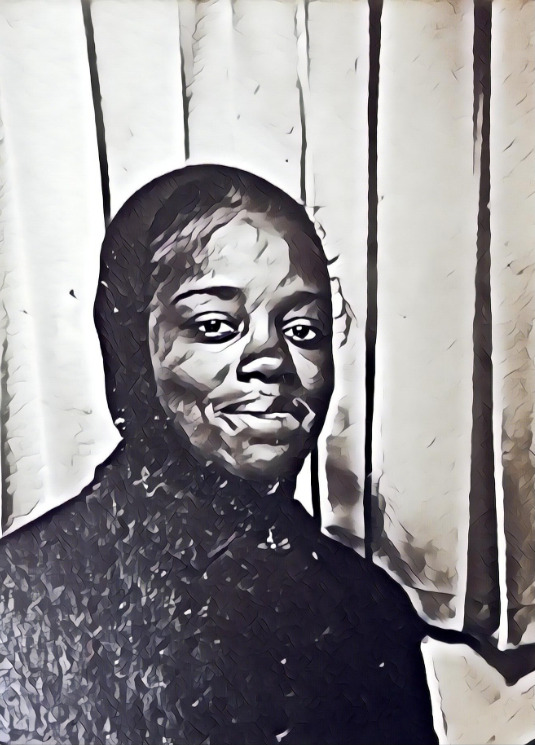
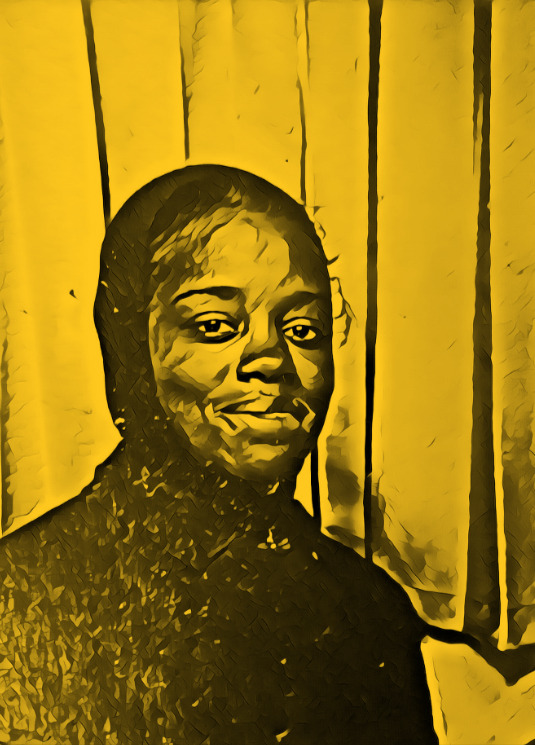
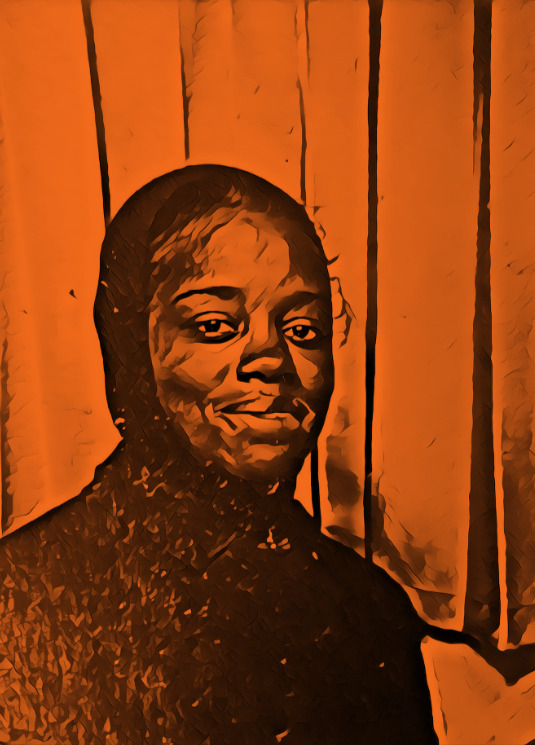
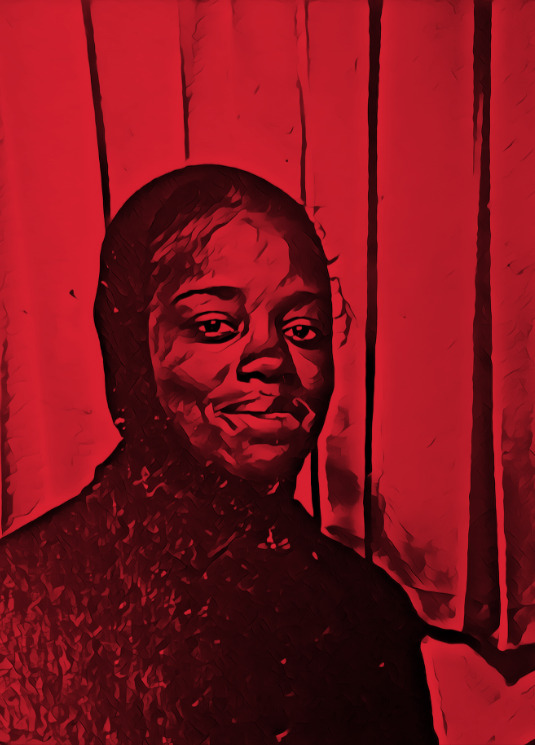
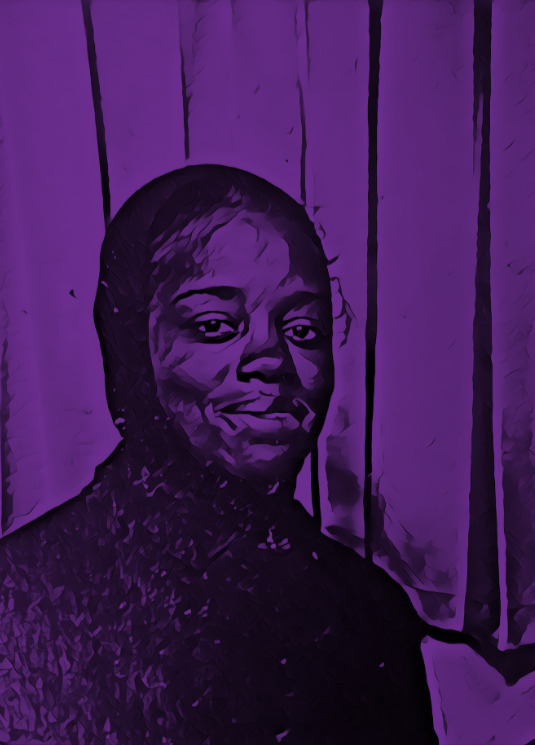
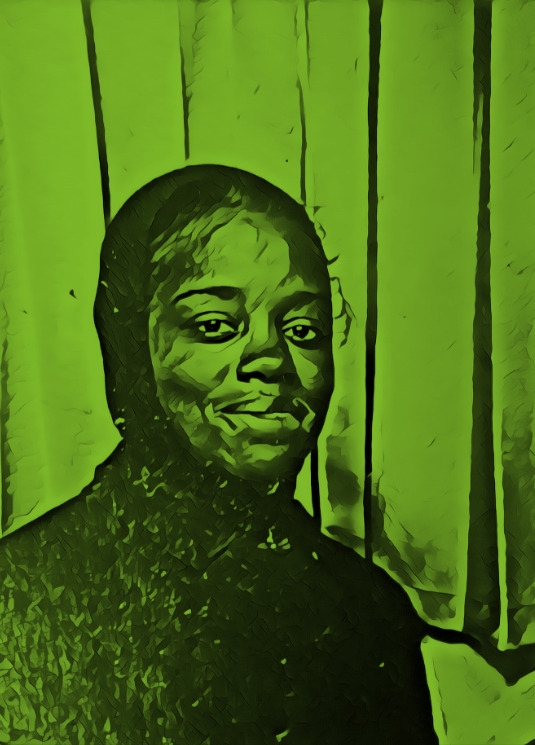
Nur Lab is named for Al-Hajjah Nur Deen Muhammad.
She was born in Bronzeville. She went to Hyde Park Academy, earned her GED, and raised four children.
She gave the City of Chicago more than 30 years of public service. For more than two decades she was a social services worker with the city’s Department of Human Services (DHS). She distributed food boxes. She helped families get their utilities turned back on after they had fallen behind on the bills. She handed out plants through the city’s urban gardening program, and each year she helped South Side residents show what they had grown at fairs at locations like Daley Plaza.
She also served her country. She was a Sergeant First Class in the U.S. Army Reserve and a veteran of the Gulf War.
At 70, she went back to school and earned an associate degree.
DHS is now gone. In January 2009 the city folded it, with five other social service offices, into the new Department of Family and Support Services, which runs the city’s Community Service Centers today.
Ms. Muhammad’s job was to get public resources to people in need. Nur Lab studies whether they get there.
Part 2 · The director


The director.
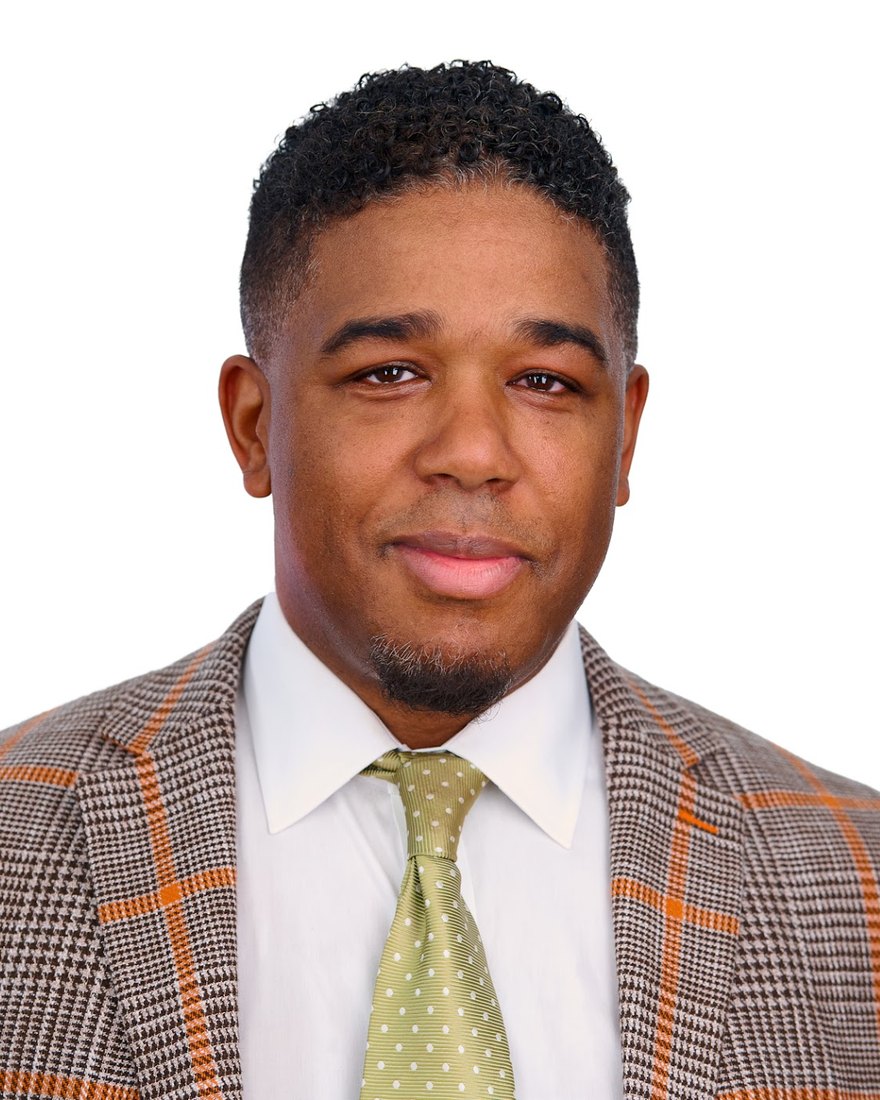
Dr. Sheldon Bernard Lyke is the Director of Nur Lab. He is an Associate Professor at Loyola University Chicago School of Law, where he teaches property, natural resources, estates and trusts, and critical race theory. He serves on the board of Friends of the Parks and was the principal investigator of its Park Roots 2026 facilities audit and its Neighborhood Dialogues focus groups.
He grew up on the South Side of Chicago. He studied at Princeton, earned his law degree at Northwestern, and holds a PhD in sociology from the University of Chicago.
His scholarship is about the commons, the things a community shares and has to look after together. He began with diversity in higher education. In “Diversity as Commons,” in the Tulane Law Review, he argued that a diverse campus is a shared resource, and that the lawsuits against affirmative action work like enclosure, the old practice of fencing off common land for private gain. He returned to the idea in The Cambridge Handbook of Commons Research Innovations.
His work now widens to the civic commons: the governance of our shared public resources, like parks and libraries. Nur Lab is where that work happens.
Part 3 · The mark

The mark, the colors, and the type.
The mark is five rays of light coming through a doorway. The five colors come from those rays.
The colors are lemon, orange, cherry, grape, and lime. They follow the Kool-Aid colors of AfriCOBRA, a collective of Black artists founded on the South Side of Chicago in 1968.
The headings are set in Tatsuro, a typeface by Tré Seals of Vocal Type. He drew it from a sign. On December 8, 1941, the day after Pearl Harbor, Tatsuro Matsuda put a sign on his family’s store in Oakland that read “I AM AN AMERICAN.” The reading text is Corundum Text, by Joshua Darden.

- Lemon
- Orange
- Cherry
- Grape
- Lime
Part 4 · Contact

Where to write.
- Contact
- Write to both slyke@luc.edu and data@nurcommons.org.