
Loyola University Chicago School of Law · Began fall 2026


Nur Lab is a new research lab at Loyola University Chicago School of Law. It began in fall 2026. Its work focuses on shared public resources: parks and public lands, libraries, and education.
The short version
- The 2026 Park Roots report draws on this work. Friends of the Parks drew on Nur Lab’s two datasets and on the findings of State of the District 2026.
- The Chicago Park Equity data are available. Release 1.7.5 is open to those who register.
- The State of the District report is coming. The executive summary will be posted on December 3. The full report will be released on December 15.
- Three areas of work. Parks and public lands, libraries, and education.
- About Nur Lab. Where the name comes from, who runs it, and how to reach it.
Part 1 · Data


Release 1.7.5 is open to those who register.
The dataset links the Chicago Park District’s 617 park records to park budget appropriations, the landscape maintenance roster, program registrations, completed capital projects since 2011, facility lists, five-year capital plans, and 2020 Census counts of the people who live nearby.
It is built from Park District records and Census counts, and it is released so that anyone can check the numbers Nur Lab reports.
Release 1.7.5

park records on the District’s canonical list, covering 8,869 listed acres.
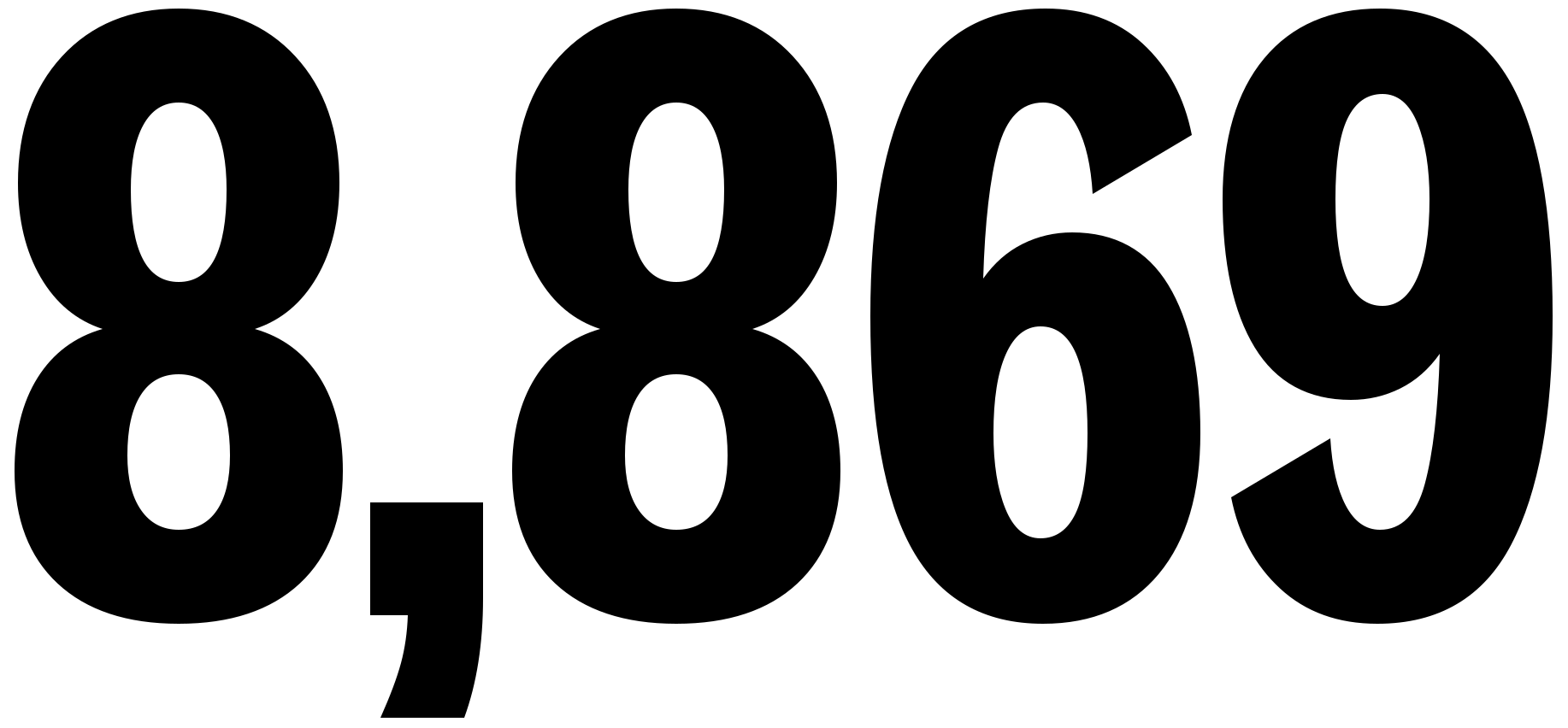
listed acres of parkland
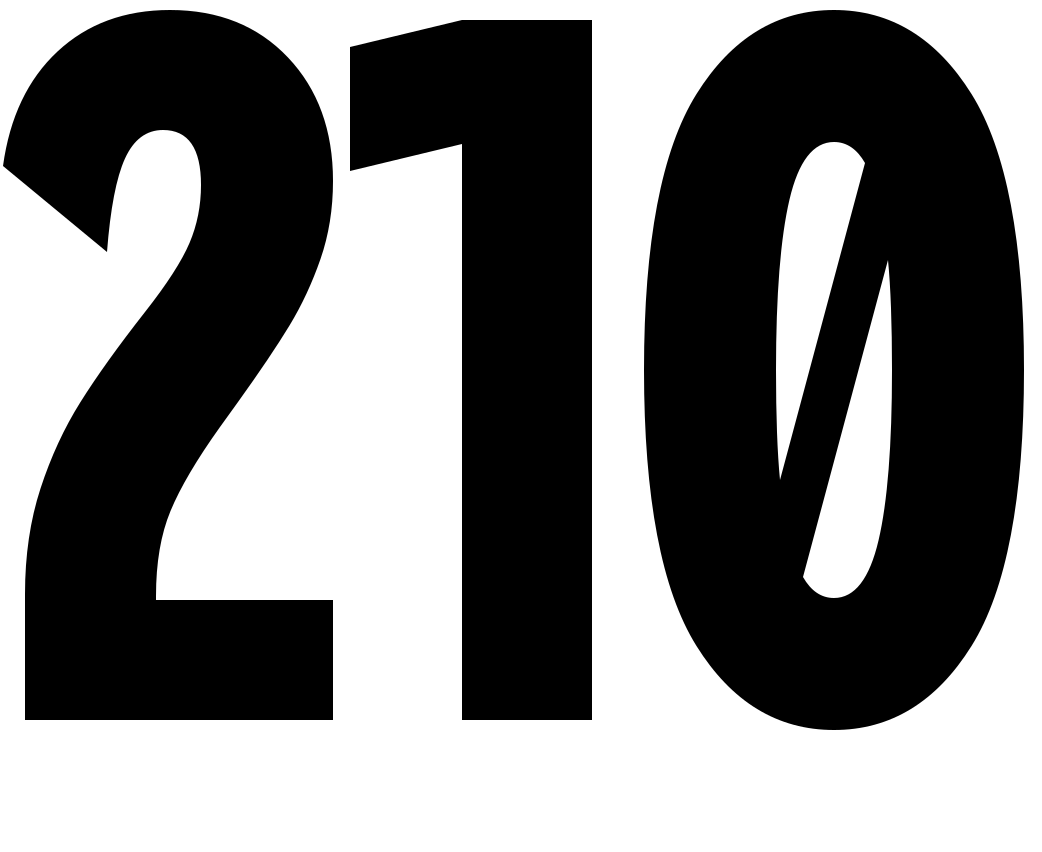
parks with a fieldhouse on the District’s 2026 list
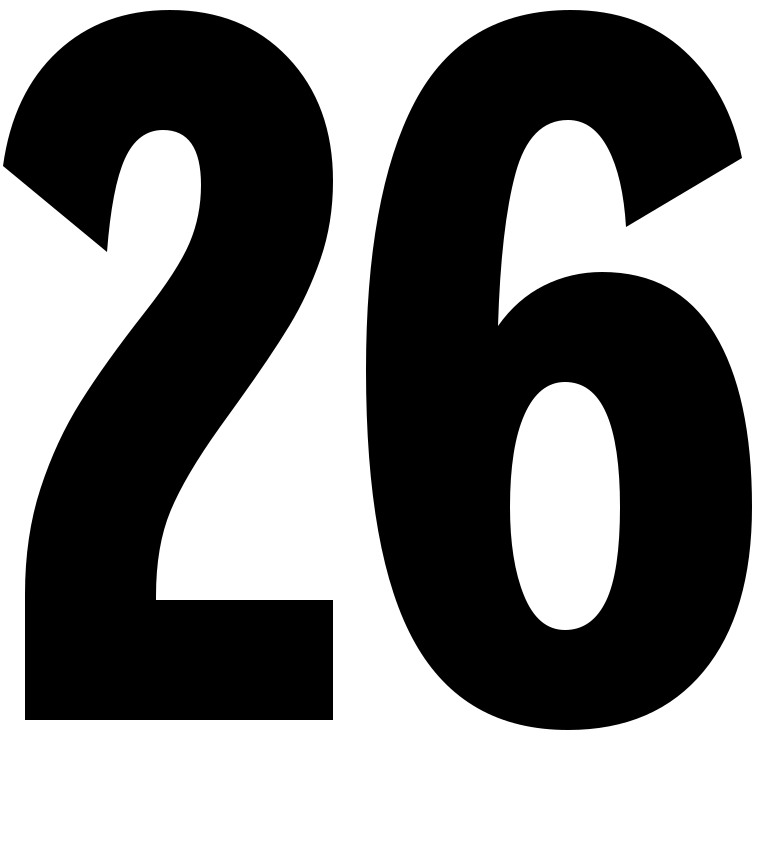
landscape maintenance areas
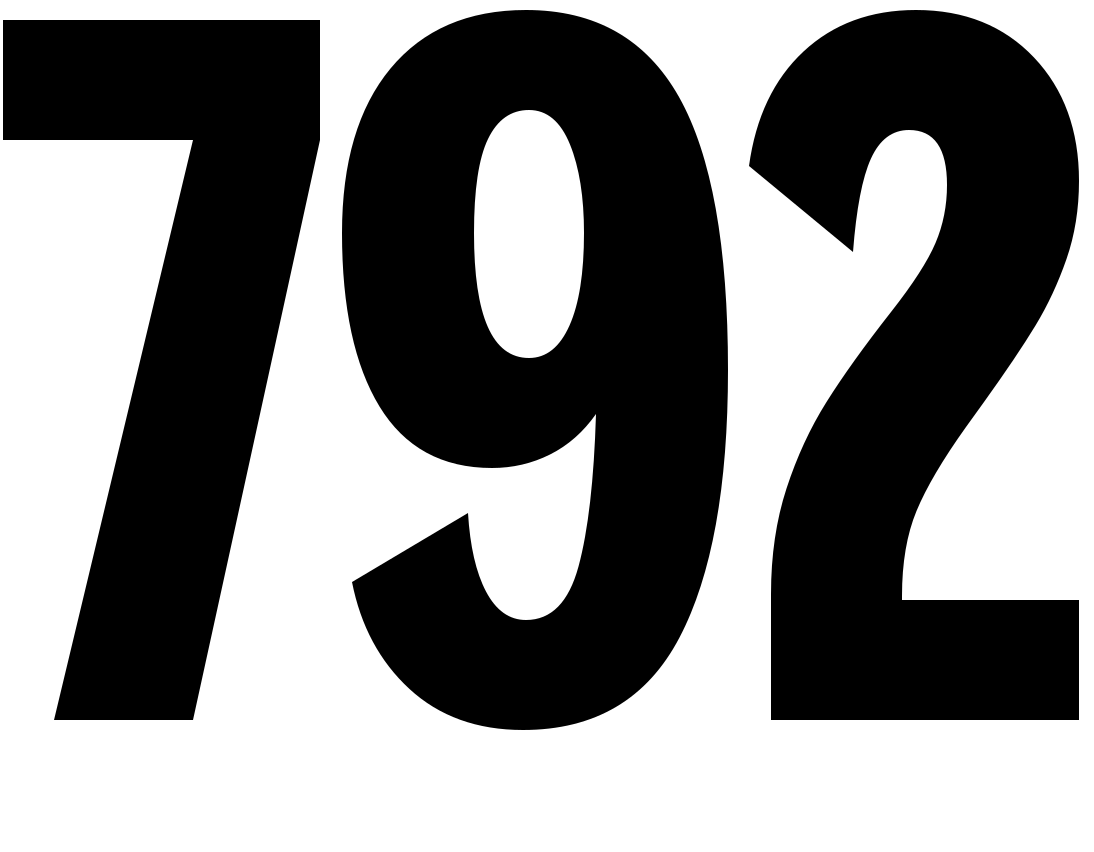
census tracts with Chicago residents
From the data
Half of the 617 parks are smaller than two acres. Eighteen parks hold 60 percent of the land.
Part 2 · Report


A study of park access, budget, capital projects, and maintenance in the Chicago Park District.
Executive summary
State of the District 2026 is the first Nur Lab report on the Chicago Park District. The executive summary will be posted here on December 3. The full report will be released on December 15.
The report draws on the Chicago Park Equity 2026 Dataset, Release 1.7.5, and on the Chicago Parks Within Reach 2026 Dataset, Version 1.0. It covers four topics.
Budget
What park-level budget lines show, and what they leave out.
Maintenance
Who keeps up the land, and how much land there is to keep up.
Capital projects
Completed projects and the District’s capital plans.
Access
What residents can reach on foot, and what parks offer.
The Friends of the Parks 2026 Park Roots report draws on data from both datasets and on the findings of State of the District 2026. Dr. Lyke, the Director of Nur Lab, serves on the Friends of the Parks board.
Part 3 · Research


Three areas of work.
Parks and public lands
How the Chicago Park District’s budgets, crews, capital projects, and facilities are spread across the city, and what residents can reach on foot. Also how public land is designated, protected, and given over to other uses, from the Chicago lakefront to national monuments.
Libraries
Access to Chicago’s public library branches: where they are, what they offer, and the agreements that govern them.
Education
Diversity in higher education as a commons. A diverse campus is a shared resource for schools and students alike, and defending affirmative action is a collective action problem: the people who share the resource do not always protect it together.
Part 4 · About

Nur means light.


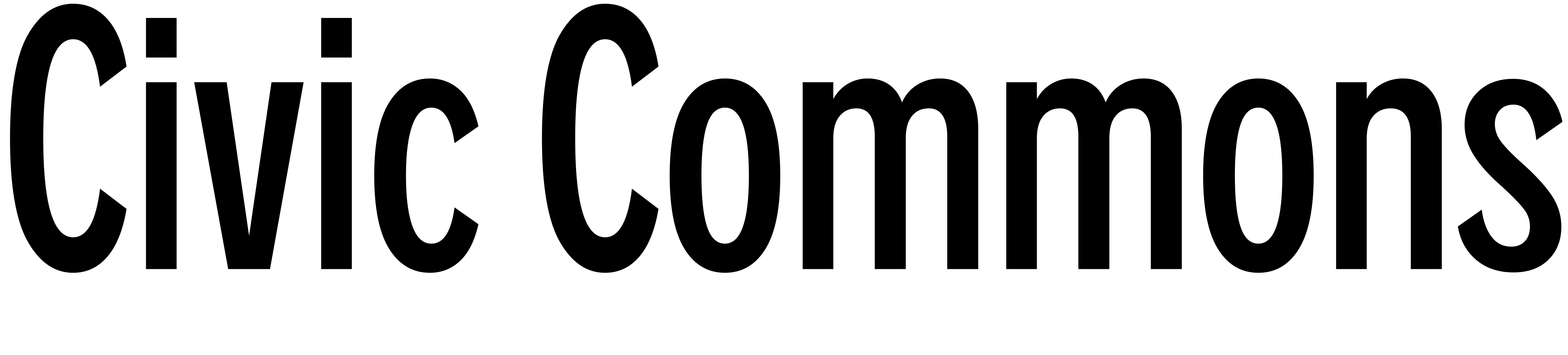
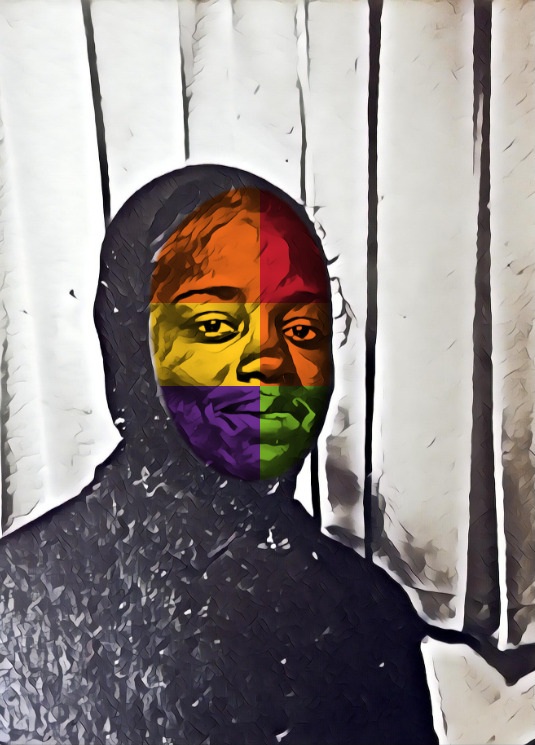
Nur Lab honors Al-Hajjah Nur Deen Muhammad, a social services worker, a Gulf War veteran, and a public servant of the City of Chicago for more than 30 years.